
 By
By 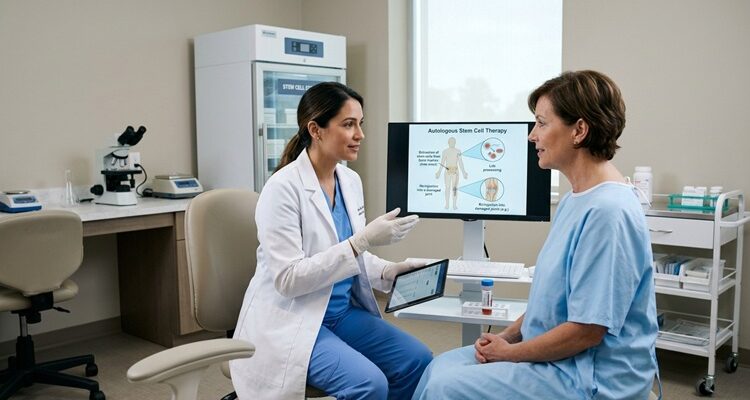
Orthopedic care has traditionally focused on managing injuries, reducing discomfort, restoring movement, and addressing structural problems involving bones, joints, muscles, tendons, and ligaments. While conventional treatments continue to play an essential role, regenerative medicine has introduced another area of interest. Among these emerging approaches, Dynamic Stem Cell Therapy has attracted attention as patients and medical professionals explore ways to support the body’s biological repair processes.
Stem cell-based treatments are being studied and used in certain clinical settings for musculoskeletal concerns. However, their role varies depending on the condition, treatment method, available evidence, and regulatory environment. Understanding both their potential and their limitations is important when considering their place in modern orthopedic care.
Table of Contents
A Different Perspective On Orthopedic Treatment
Many orthopedic treatments concentrate on relieving symptoms, improving function, or correcting a physical problem. Physical therapy may improve strength and movement, medications may help manage discomfort, and surgery may be considered when structural damage is significant.
Regenerative medicine approaches the situation from a biological perspective. Instead of focusing solely on symptoms, regenerative strategies investigate whether biological materials and cellular processes can influence the environment surrounding damaged or stressed tissues.
Because certain kinds of stem cells may become specialized cells and take part in biological communication, they are very fascinating. Researchers continue to investigate how these characteristics might eventually contribute to musculoskeletal medicine.
Why Stem Cells Have Drawn Orthopedic Interest?
Musculoskeletal tissues do not all recover in the same way. Some tissues have a relatively strong blood supply and healing capacity, while others have limited natural regenerative potential. This difference can make certain joint, cartilage, tendon, and ligament problems difficult to manage.
Stem cell research has therefore become an important area of regenerative orthopedics. Rather than viewing every musculoskeletal problem simply as mechanical damage, researchers are examining the cellular environment surrounding injuries and degenerative changes.
This expanding perspective is one reason stem cell therapy continues to receive attention. It represents a broader movement toward understanding how biology and biomechanics work together in orthopedic health.
Potential Applications In Joint Care
Joint problems are among the most common reasons people seek orthopedic care. Knees, hips, shoulders, and other joints can be affected by injuries, repetitive stress, aging, or degenerative changes.
Stem cell-based approaches are being investigated for various musculoskeletal applications, including certain joint and soft tissue conditions. Much of the interest centers on whether cellular therapies may influence inflammation, tissue signaling, and repair-related processes.
However, patients should not assume that stem cell treatment can regrow an entire damaged joint or reverse every degenerative condition. Evidence differs substantially according to the specific treatment and condition. Research remains ongoing, and many stem cell-based interventions are not established standard treatments.
A Growing Interest In Less Invasive Care
Another factor influencing regenerative orthopedics is the demand for treatment options that may avoid or delay major procedures when medically appropriate. Many patients want to remain active while minimizing lengthy recovery periods.
Orthopedic care already includes numerous nonsurgical strategies, such as rehabilitation, activity modification, physical therapy, and other interventions. Regenerative procedures may sometimes be discussed within this broader treatment landscape.
This does not mean regenerative treatment should automatically replace surgery. Certain fractures, severe joint deterioration, major tendon injuries, and other structural problems may still require surgical intervention. The appropriate approach depends on diagnosis, overall health, symptoms, functional limitations, and individual treatment goals.
Patient Evaluation Remains Essential
Orthopedic disorders are not always resolved by stem cell treatment. A careful medical evaluation is important before any regenerative treatment is considered.
The evaluation may include a physical examination, medical history, previous treatments, imaging findings, activity level, and the nature and severity of the underlying problem. These factors can help a qualified medical professional determine whether regenerative medicine is worth discussing or whether another approach would be more appropriate.
Patients should also ask where the cells or biological material come from, how they are processed, what evidence supports the proposed procedure, what risks are involved, and whether the treatment has appropriate regulatory authorization for its intended use.
Combining Biology With Rehabilitation
Modern orthopedic medicine increasingly recognizes that successful care rarely depends on a single intervention. Improving movement patterns, rebuilding strength, managing physical demands, and following an appropriate rehabilitation program may remain important regardless of whether a regenerative procedure is used.
This makes rehabilitation particularly relevant when discussing stem cell-based orthopedic care. A biological intervention cannot automatically correct poor movement mechanics, muscle weakness, or repetitive stresses that may contribute to a musculoskeletal problem.
A comprehensive approach can therefore combine appropriate medical treatment with rehabilitation and long-term joint health strategies.
Looking Toward The Future Of Orthopedic Medicine
Research into stem cells, orthobiologics, tissue engineering, and regenerative medicine continues to develop. Scientists are working to better understand which cell types and preparation methods may be useful, which patients could benefit, and how outcomes compare with established treatments.
Future advances may allow orthopedic care to become increasingly personalized, combining structural assessment with a deeper understanding of cellular biology. For now, expectations need to remain grounded in reliable medical evidence rather than promises of guaranteed regeneration.
Stem cell therapy represents an evolving area of orthopedic medicine rather than a universal replacement for conventional treatment. As research develops, its appropriate role may become clearer. Patients considering regenerative options should seek qualified medical guidance, understand the evidence and uncertainties involved, and make decisions based on their specific orthopedic condition and overall health.









Comments