
 By
By 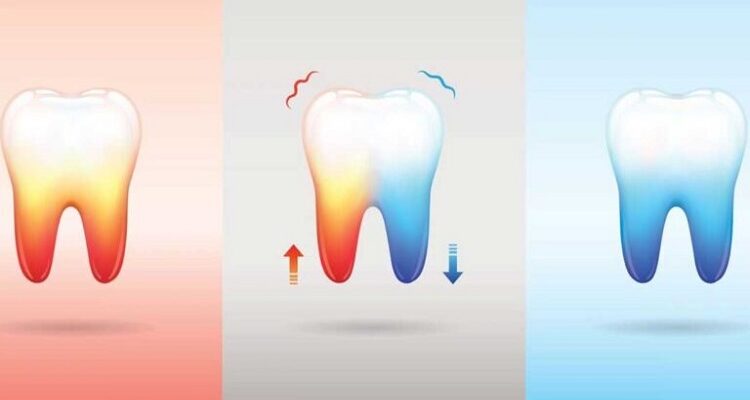
Ever taken a sip of cold water and felt a sharp pain shoot through your teeth? That little “ouch” moment can ruin even the best meal. Tooth sensitivity is more common than you’d think, and it’s not just about ice cream or coffee — it can come from everyday habits you might not even notice.
If you’re from Deira and searching for the best dental clinic in Deira, this guide will help you understand what’s really going on with your teeth before you even step into the clinic.
Let’s break down the main causes of tooth sensitivity and how you can actually fix them.
Table of Contents
7 Things That Cause Tooth Sensitivity and How to Fix Them!
1. Worn-Down Enamel
Enamel is like armor for your teeth. It’s the tough outer layer that keeps everything safe. But it doesn’t last forever. Acidic drinks, constant snacking, or even brushing too hard can slowly wear it away. Once it’s gone, the softer part underneath — called dentin — gets exposed. That’s when things start to hurt.
How to fix it:
- Cut down on soda, lemon water, and vinegar-heavy foods.
- Rinse your mouth with water after eating or drinking anything acidic.
- Use toothpaste made for sensitive teeth.
- Ask your dentist about fluoride treatment if the sensitivity doesn’t go away.
2. Brushing Too Hard
We all want clean teeth, but brushing harder doesn’t mean cleaner. It can actually make things worse. Too much pressure can scrape away enamel and even push your gums back, exposing the roots.
What helps:
- Use a soft toothbrush.
- Gentle, circular motions work better than forceful scrubbing.
- If you’re not sure you’re brushing right, ask your dentist to show you how.
It sounds simple, but this one habit can make a huge difference.
3. Gum Recession
If your gums are shrinking away from your teeth, you might start to feel sensitivity near the roots. This can happen with age, from harsh brushing, or from gum disease. The roots of your teeth don’t have enamel, so they react quickly to heat, cold, and even touch.
How to fix it:
- Keep your gums healthy with proper brushing and flossing.
- Avoid brushing right after eating — your enamel softens briefly after meals.
- Visit your dentist for a checkup; they might suggest a cleaning or, in serious cases, a gum graft.
If you’re in Deira, look for a clinic with a periodontist — that’s a gum specialist. The best dental clinic in Deira will definitely have one.
4. Teeth Grinding (Bruxism)
Do you wake up with jaw pain or headaches? You might be grinding your teeth while you sleep. Grinding wears down enamel and makes teeth more sensitive. Stress and anxiety often trigger it.
How to fix it:
- Talk to your dentist about getting a night guard. It protects your teeth while you sleep.
- Try stress-relief activities — exercise, deep breathing, or meditation can help.
- Avoid chewing gum all day or biting on pens; it makes grinding worse.
It’s one of those things people ignore until a dentist points it out. But catching it early saves you a lot of pain later.
5. Cracked Teeth or Old Fillings
Even a tiny crack can expose the inner part of a tooth, leading to sharp sensitivity. The same goes for old fillings that have loosened over time. The space allows air, food, and bacteria to reach sensitive nerves.
How to fix it:
- Visit your dentist for a full checkup. They can spot cracks or worn fillings early.
- If you notice sudden pain when biting, don’t wait — get it checked.
- Avoid chewing hard foods like ice or nuts on the painful side.
Ignoring this one can lead to bigger dental problems down the road.
6. Whitening Treatments
Everyone loves a bright smile, but whitening can sometimes make teeth more sensitive. The bleaching agents can temporarily open up the tiny pores in enamel, exposing the nerves a bit more than usual.
What to do:
- Take a break from whitening products for a while.
- Switch to toothpaste for sensitive teeth.
- Avoid very hot or very cold food for a few days after treatment.
If you’re planning to whiten your teeth, do it professionally at the best dental clinic in Deira. They’ll adjust the strength and method to suit your teeth, which helps avoid unnecessary pain.
7. Acidic Diet and Dry Mouth
Constant acid exposure from sodas, fruit juices, and spicy foods eats away at enamel. A dry mouth doesn’t help either, since saliva helps wash away acid and bacteria. Without enough saliva, your teeth become more vulnerable.
How to fix it:
- Stay hydrated — sip water throughout the day.
- Chew sugar-free gum to boost saliva.
- If you have acid reflux, talk to your doctor. Treating that can help your teeth, too.
- Avoid smoking; it makes dry mouth worse.
Even small changes in diet and hydration can ease sensitivity a lot faster than you’d think.
Simple Daily Habits to Protect Sensitive Teeth
- Brush twice a day with fluoride toothpaste.
- Don’t skip flossing — it removes bacteria near the gums.
- Limit sugary snacks and drinks.
- Visit your dentist every six months.
- If you feel pain, don’t wait for it to “just go away.”
Sometimes sensitivity is an early warning sign that something bigger is going on.
Finding the Right Dentist in Deira
If you’re dealing with sensitivity that just won’t go away, find the best dental clinic in Deira that focuses on both comfort and long-term care. Look for dentists who take time to explain what’s happening, not just treat symptoms. A good clinic will check your enamel, gums, and bite before suggesting treatment.
It’s not about fancy tools — it’s about attention to detail and genuine care.
Tooth sensitivity isn’t random. It’s your body trying to tell you something. It might be your enamel, gums, or even daily habits that need tweaking. Once you know the cause, fixing it becomes much easier.
I used to ignore that cold sting when I had ice cream, thinking it was “normal.” It wasn’t. A few changes — softer brushing, switching toothpaste, and fewer acidic drinks — made a real difference.
Small steps. Big relief.
FAQs
1. Why do my teeth hurt when I drink cold water?
Because the dentin inside your teeth is exposed. It’s full of tiny channels that lead to nerves, and cold water triggers them instantly.
2. Can sensitive teeth heal on their own?
Mild cases can improve with better brushing and diet. But if it’s been going on for a while, you’ll need professional help.
3. How can the best dental clinic in Deira help with tooth sensitivity?
They’ll first figure out what’s causing it — enamel loss, gum problems, grinding, or something else. Then they’ll suggest targeted treatments like fluoride varnish, bonding, or desensitizing agents.
4. Should I stop whitening my teeth if they’re sensitive?
Yes, at least temporarily. Let your teeth rest, use a desensitizing toothpaste, and talk to your dentist before continuing.
5. Is sensitivity a sign of cavities?
Sometimes, yes. Cavities can expose nerves and make teeth react to temperature changes. That’s why regular checkups matter.
Tooth sensitivity isn’t the end of the world, but it’s definitely a sign to slow down and listen to your teeth. A few lifestyle changes and a visit to the best dental clinic in Deira might be all you need to bring back that pain-free smile.













Comments